Why Does My Drain Keep Blocking? Causes & Fixes
Why Does My Drain Keep Blocking? Common Causes and When to Call a Plumber
A blocked drain is frustrating, especially when the same problem keeps coming back. You clear the blockage, the water starts flowing again, and a few weeks later, the drain is slow or blocked once more.
If this sounds familiar, there may be a problem further inside your drainage system.
Recurring blocked drains can be caused by grease, tree roots, damaged pipes or waste trapped underground. While some minor blockages are easy to clear, others need a closer inspection to find the cause.
In this guide, MSV Plumbing Services explains why drains keep blocking, what you can safely check at home, and when it's time to call a licensed plumber in Brisbane.
Why Does the Same Drain Keep Blocking?
If your drain keeps blocking, it often means the original problem has not been fully resolved.
For example, clearing a kitchen sink might remove enough grease to let water flow again. However, if more grease remains inside the pipe, the blockage can slowly return.
The same applies to tree roots. A plumber may clear the roots from a sewer pipe, but if the pipe has cracks or gaps, roots can grow back through the same opening.
The key is finding out why the blockage keeps happening, rather than simply clearing it each time.
5 Common Causes of Recurring Blocked Drains
1. Tree Roots Growing Inside Drainage Pipes
Tree roots are a common cause of blocked underground drains, especially where older pipes have cracks or loose joints.
Roots can enter these openings and grow inside the pipe. Over time, they catch toilet paper and other waste, making it harder for water to flow.
Signs of possible tree root problems include:
Toilets that regularly block or flush slowly
Gurgling sounds from nearby drains
Several plumbing fixtures draining slowly
Blockages that return after professional clearing
What can you do?
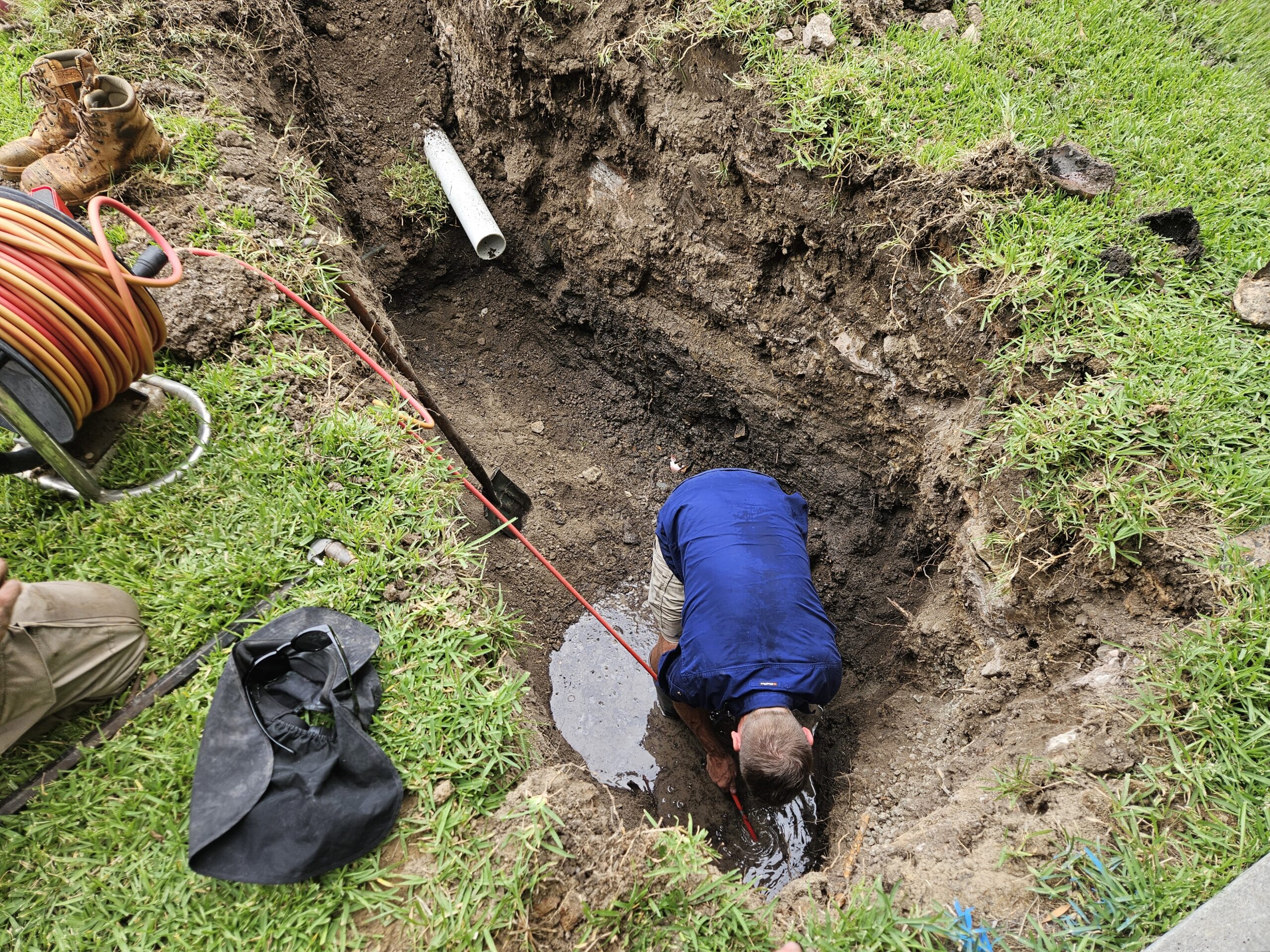
Tree roots inside underground pipes usually need professional attention. A plumber can use a CCTV drain camera to check whether roots have entered the pipe and assess any damage.
High-pressure water jetting or other suitable equipment may clear the roots. However, damaged pipes may also need repairs to stop the problem from returning.
2. Grease and Food Waste Building Up in Kitchen Drains
Cooking oil, fat and food scraps can build up inside kitchen drainage pipes.
Even when grease is poured down the sink as a liquid, it can cool, stick to the pipe walls and collect other waste. Over time, the opening becomes smaller, and water drains more slowly.
What can you do?
To help prevent kitchen drain blockages:
Wipe grease from pans before washing them.
Place cooking oil and food scraps in the appropriate waste bin.
Use a sink strainer to catch food particles.
Avoid pouring fats and oils down the sink.
If your kitchen sink keeps blocking despite these steps, there may already be a buildup deeper inside the pipe.
A licensed plumber can inspect the drainage line and recommend a suitable cleaning method.
3. Hair and Soap Buildup in Bathroom Drains
Bathroom drains often collect hair, soap residue and other debris.
Hair can become trapped around the drain opening and gradually catch more material. This can cause water to pool around your feet in the shower or drain slowly from the bathroom sink.
What can you do?
Start by removing any visible hair or debris from the accessible drain cover. A simple drain strainer can also help prevent hair from entering the pipe.
Avoid relying on chemical drain cleaners, particularly when the cause of the blockage is unknown. Some products can be hazardous, and they may not resolve deeper drainage problems.
If the same shower or bathroom drain continues to block, a plumber can check for buildup further along the pipe.
4. Damaged, Cracked or Misaligned Pipes
Sometimes, the problem is not what goes down the drain. It is the condition of the pipe itself.
Underground pipes can crack, shift or become damaged over time. A broken section or poorly aligned joint may catch waste as it passes through.
This can lead to repeated blockages, even after the drain has been cleaned.
What can you do?
A CCTV drain inspection can help identify cracks, displaced joints or other visible damage inside a pipe.
Depending on the condition of the drainage system, the plumber may recommend a targeted repair, pipe relining or replacement of a damaged section.
Not every recurring blockage requires major repairs. The right solution depends on what the inspection finds.
5. Foreign Objects and Incorrectly Flushed Waste
Toilets and household drains are designed to carry specific types of waste.
Items such as wet wipes, sanitary products, cotton buds and other household rubbish can become trapped inside pipes.
Even wipes labelled as flushable can contribute to blockages.
What can you do?
Only flush the three Ps: pee, poo and toilet paper.
Place wipes, sanitary products and other waste in a bin instead.
If an object has become stuck inside the drainage system, avoid forcing it further into the pipe. A plumber can assess the blockage and remove it using suitable equipment.
How Can You Tell if a Blockage Is Deeper in the Drain?
Not every slow-draining sink means there is a serious problem underground.
However, certain warning signs may suggest the blockage is further along the drainage line.
What you notice | What it could mean |
|---|---|
Only one sink drains slowly | Local buildup or a blockage near that fixture |
Several drains are slow | A possible restriction in a shared drainage pipe |
Toilet gurgles when another fixture drains | Air movement caused by a possible drainage restriction |
Wastewater backs up into a shower or floor drain | A possible blockage further along the sewer line |
The same drain blocks repeatedly | Remaining buildup, tree roots or damaged pipework |
These signs can help narrow down the problem, but they do not confirm the exact cause.
If several drains are affected at once, stop using the affected fixtures and arrange a plumbing inspection.
Why Does My Drain Keep Blocking After a Plumber Has Cleared It?
A drain can sometimes start flowing normally even though the underlying issue remains.
For example, removing a buildup of waste may restore water flow, but it will not repair a cracked pipe or prevent roots from entering through an opening.
This does not always mean the previous drain clearing was done incorrectly. Some problems cannot be confirmed until the pipe is inspected.
If a blockage returns, ask your plumber whether a CCTV drain inspection would help identify the cause.
How Does a CCTV Drain Inspection Work?
A CCTV drain inspection uses a small camera designed to travel through drainage pipes.
The camera sends images to a screen, allowing the plumber to look for problems such as:
Tree roots inside the pipe
Cracks or damaged pipe sections
Waste or debris restricting water flow
Displaced pipe joints
Other visible drainage defects
A camera inspection can help locate the problem and guide the next step.
It may also prevent unnecessary digging when the cause can be identified from inside the pipe.
At MSV Plumbing Services, we use CCTV drain inspection equipment when further investigation is needed. Our plumbers assess the drainage system before recommending the most suitable clearing or repair method.
What About Blocked Stormwater Drains in Brisbane?
Not all blocked drains carry household wastewater.
Stormwater drains collect rainwater from roofs, gutters, driveways and other outdoor areas. They can become blocked by leaves, soil, sediment and other debris.
During heavy Brisbane rainfall, a blocked stormwater drain may cause water to pool around a property or overflow from outdoor drainage points.
To help prevent stormwater blockages:
Keep gutters and accessible drain grates clear of leaves.
Remove loose debris from outdoor drainage areas.
Check for pooling water after heavy rain.
Arrange an inspection if the same outdoor drain regularly overflows.
Brisbane City Council advises that property owners are responsible for maintaining private stormwater drainage infrastructure, while Council maintains certain public stormwater systems.
If you notice a blocked or damaged public stormwater drain, you can report the issue to Brisbane City Council.
For drainage problems within your property, a licensed plumber can help identify the cause.
When Should You Call a Plumber for a Blocked Drain?
Some minor surface blockages can be resolved by removing visible debris from an accessible drain opening.
However, you should arrange a professional plumbing inspection if:
The same drain keeps blocking.
Several drains are slow or backing up.
Your toilet regularly overflows or struggles to flush.
Wastewater is coming back through a shower or floor drain.
You suspect tree roots or damaged underground pipes.
The blockage returns shortly after being cleared.
If sewage is overflowing, avoid contact with the wastewater and stop using the affected fixtures.
For suspected problems in the public sewer network, contact Urban Utilities on 13 26 57 or its fault and emergency number, 13 23 64, as appropriate. Brisbane City Council directs residents to Urban Utilities for public sewer overflows.
Queensland plumbing laws also require regulated plumbing and drainage work to be carried out by appropriately licensed tradespeople.
How MSV Plumbing Services Helps With Recurring Blocked Drains
MSV Plumbing Services provides blocked drain clearing services across Brisbane, including Greenslopes, Coorparoo, Holland Park, Camp Hill and surrounding suburbs.
Our plumbers work with blocked toilets, kitchen sinks, showers, sewer lines and stormwater drains.
Depending on the problem, we may use high-pressure water jetting, drain-clearing equipment or CCTV cameras to investigate the drainage system.
Our approach is to identify the likely cause, explain the available options and recommend work suited to the condition of the pipes.
For recurring blockages, this may include checking for tree roots, damaged pipework or restrictions further along the drainage line.
If your drain keeps blocking, contact MSV Plumbing Services on 0450 705 508 to discuss the problem and arrange an assessment.
Frequently Asked Questions
Why does my drain keep blocking every few weeks?
A recurring blockage may be caused by grease buildup, tree roots, foreign objects or damaged pipes. If the drain has already been cleared but the problem keeps returning, a CCTV inspection may help identify the underlying cause.
Can tree roots grow back after drain cleaning?
Yes. Removing roots from a pipe does not always prevent them from returning. If cracks or gaps remain in the pipe, roots may enter again. A plumber can assess whether further repairs are needed.
Should I use a chemical drain cleaner?
Chemical drain cleaners may not resolve recurring blockages caused by roots, damaged pipes or deeper obstructions. Some products can also be hazardous. Removing visible debris and arranging a professional inspection for repeated blockages is generally a safer approach.
Is a CCTV drain inspection always necessary?
No. Many simple blockages can be cleared without a camera inspection. CCTV inspections are more useful when a blockage keeps returning, several drains are affected, or the cause is unclear.
Who is responsible for a blocked sewer drain in Brisbane?
Responsibility depends on where the blockage is located and which part of the sewer system is affected. Property owners generally arrange plumbing work for their private drainage, while Urban Utilities manages the public sewer network. A licensed plumber or Urban Utilities can help clarify responsibility.
Matthew's Advice: Why Blocked Drains Keep Coming Back
"One thing I always tell customers is that clearing a blocked drain doesn't always mean the problem is fixed. If the same drain keeps blocking, there's usually a reason behind it. It could be tree roots, grease buildup or damage inside the pipe. Rather than clearing it over and over, it's worth finding out what's causing the blockage so we can recommend a longer-term solution."
— Matthew Main, Owner of MSV Plumbing Services
About the Author
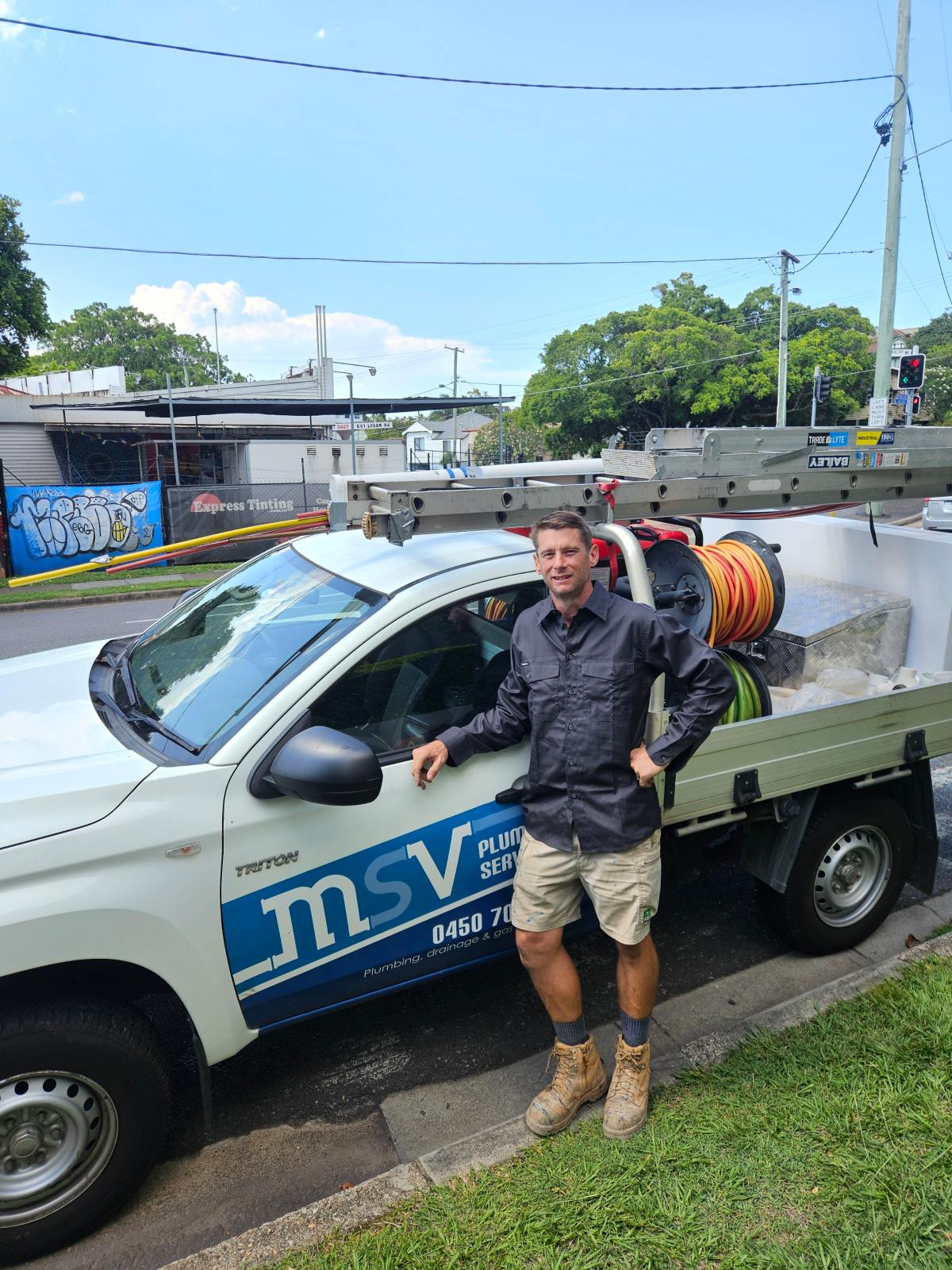
Matthew Main — Owner, MSV Plumbing Services
Matthew Main is the owner of MSV Plumbing Services and has over 15 years of plumbing experience. He works with residential and commercial plumbing systems across Brisbane, including blocked drains, hot water systems and emergency plumbing.
Learn more about Matthew Main.
References and Further Reading
The following resources provide additional information about plumbing regulations, drainage maintenance and sewer responsibilities in Queensland.
Queensland Building and Construction Commission — Home Owner's Guide to Plumbing Matters (PDF) — Guidance on licensed plumbing and drainage work.
Queensland Government — Plumbing Laws — Information about plumbing regulations and licensed contractors.
Brisbane City Council — Report Stormwater Drain Issues — Public stormwater drainage issues and maintenance responsibilities.
Brisbane City Council — Water Supply and Sewerage — Guidance on sewer overflows and contacting the appropriate service provider.
This article provides general plumbing information for Brisbane homeowners. Drainage problems vary between properties. A licensed plumber should assess recurring or serious blockages before repair work is carried out.