Blocked Stormwater Drains Brisbane: Homeowner vs Council Rules
Who Is Responsible for Blocked Stormwater Drains in Brisbane: Homeowner vs. Council Rules
When writing an emergency management plan for your property, one of the most important considerations is understanding infrastructure boundaries. Brisbane’s subtropical climate delivers intense summer storms and heavy downpours that regularly put residential drainage networks under significant duress.
When a stormwater drain becomes blocked, water can quickly pool in yards or cascade from downpipes, threatening the structural integrity of the home. Managing these issues efficiently requires a clear understanding of where your legal liability ends and where local government responsibility begins. Failing to correctly identify these boundaries can lead to avoidable property damage, regulatory complications, and unnecessary expenses.
The Property Boundary Line Matrix
In Queensland, responsibility for drainage infrastructure is strictly determined by property boundary lines.
The Homeowner’s Obligations: The property owner holds sole responsibility for maintaining all plumbing infrastructure located within their private property lines. This encompasses roof gutters, downpipes, surface grates, collection pits, and underground stormwater pipes.
The Local Council’s Jurisdiction: The Brisbane City Council is responsible for the public drainage network. This asset class includes street kerb gutters, roadside drainage channels, side-entry gully pits, and main stormwater trunk lines running through public land or dedicated easements.
If an underground pipe on your land becomes choked with silt, organic debris, or invasive tree roots, executing the necessary repairs is entirely the homeowner's responsibility.
Private Stormwater Faults Requiring Owner Intervention
Property owners face strict statutory requirements to ensure roof water and surface runoff do not cause an actionable nuisance to adjacent properties. The most frequent points of failure within private systems include:
1. Obstructions in Roof Gutters and Downpipes
Leaves, twigs, and organic matter accumulate continuously on residential roofs, particularly in established, leafy suburbs. When downpipes become blocked, water backs up into the eaves, which can lead to internal ceiling damage and compromised electrical systems.
2. Subterranean Tree Root Intrusion
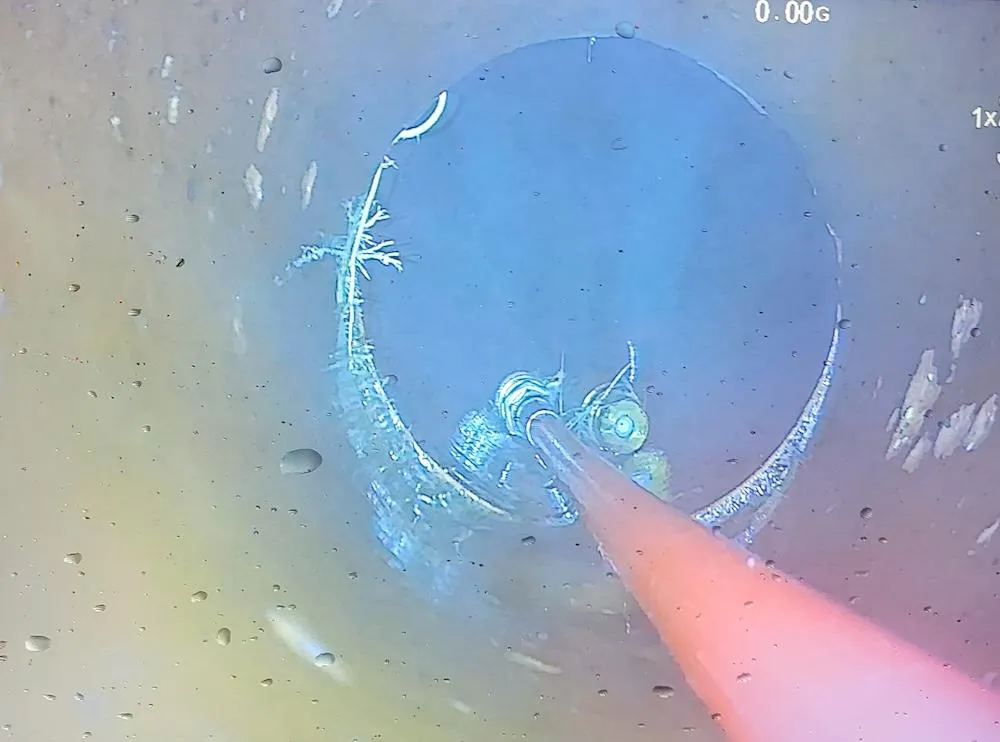
The root systems of large trees and urban vegetation constantly seek moisture. They can exploit microscopic fissures in older clay or PVC stormwater lines. Once inside, the roots multiply rapidly, creating a dense barrier that halts water flow entirely.
3. Silted Surface Grates and Collection Pits
Ground-level grates are designed to capture surface water during heavy rain events. Over time, lawn clippings, soil, and landscape mulch wash into these structures, blocking the outlet pipes and causing localized flooding across driveways and foundations.
Criteria for Council Infrastructure Intervention
The Brisbane City Council will only intervene if the root cause of an issue stems directly from a failure within public infrastructure. Valid grounds for reporting an issue to the Council include:
Stormwater overflowing directly from a public street pit or road gully onto private land.
Main connection points outside the property boundary line being compromised by the roots of a council-managed street tree.
A structural collapse within the municipal main stormwater line, causing systemic back-ups across multiple adjoining properties.
Regulatory Restrictions: Stormwater vs. Sewer Networks
A critical compliance error in property management is confusing the stormwater system with the sewer network.
By law, stormwater pipes must never be connected into a sewer line or an Overflow Relief Gully. The two networks serve entirely different environmental purposes: stormwater systems discharge directly into local waterways and marine environments, while sewer systems route household waste to treatment facilities.
Altering these systems illegally risks overwhelming municipal sewer infrastructure during heavy downpours, which can result in severe internal flooding and regulatory penalties.
Professional Diagnostic and Resolution Methodologies
When a blockage occurs within private property boundaries, standard mechanical methods rarely resolve dense root masses or heavy silt accumulation. Restoring structural flow effectively requires specialized industrial equipment:
CCTV Drain Camera Analysis: Specialized high-resolution cameras are deployed into the line to pinpoint the exact location and nature of the obstruction without requiring disruptive excavation.
High-Pressure Hydro-Jetting: Equipment operating at up to 5,000 PSI cuts cleanly through stubborn root structures and flushes compacted debris from the line.
Trenchless Pipe Relining: Where structural damage or cracks are detected, an internal resin sleeve can cure the pipe from within, restoring full function while preserving established landscaping and concrete surfaces.
Safety and Regulatory Disclaimer
The information contained in this article is provided for general informational and educational purposes only regarding standard property compliance and drainage maintenance. Managing blocked drainage infrastructure, operating at heights on roof structures, or handling potentially contaminated water involves inherent physical safety risks. Property owners should always engage a licensed and insured plumbing professional to evaluate and execute repairs safely and legally.
Authority References and External Resources
Brisbane City Council: Review formal municipal guidelines on local drainage rules via the Brisbane City Council Stormwater and Drainage Authority.
Queensland Government: Examine statutory property owner obligations under the Queensland Government Water Supply and Sewerage Infrastructure Framework.
Queensland Building and Construction Commission (QBCC): Verify regulatory standards for drainage compliance via the QBCC Plumbers and Drainers Information Hub.
Master Plumbers Association of Queensland (MPAQ): Access consumer safety codes and industry standard practices via the MPAQ Homeowner Resource Center.
Corporate Service Connections
For formal diagnostic assessments and structural clearance of private underground blockages, please refer to our dedicated Brisbane Blocked Drains Services to schedule an on-site CCTV inspection and high-pressure clearance.